

Plastic Pallets
Guides, specs, and tips for buying, selling, and using plastic pallets across industries.
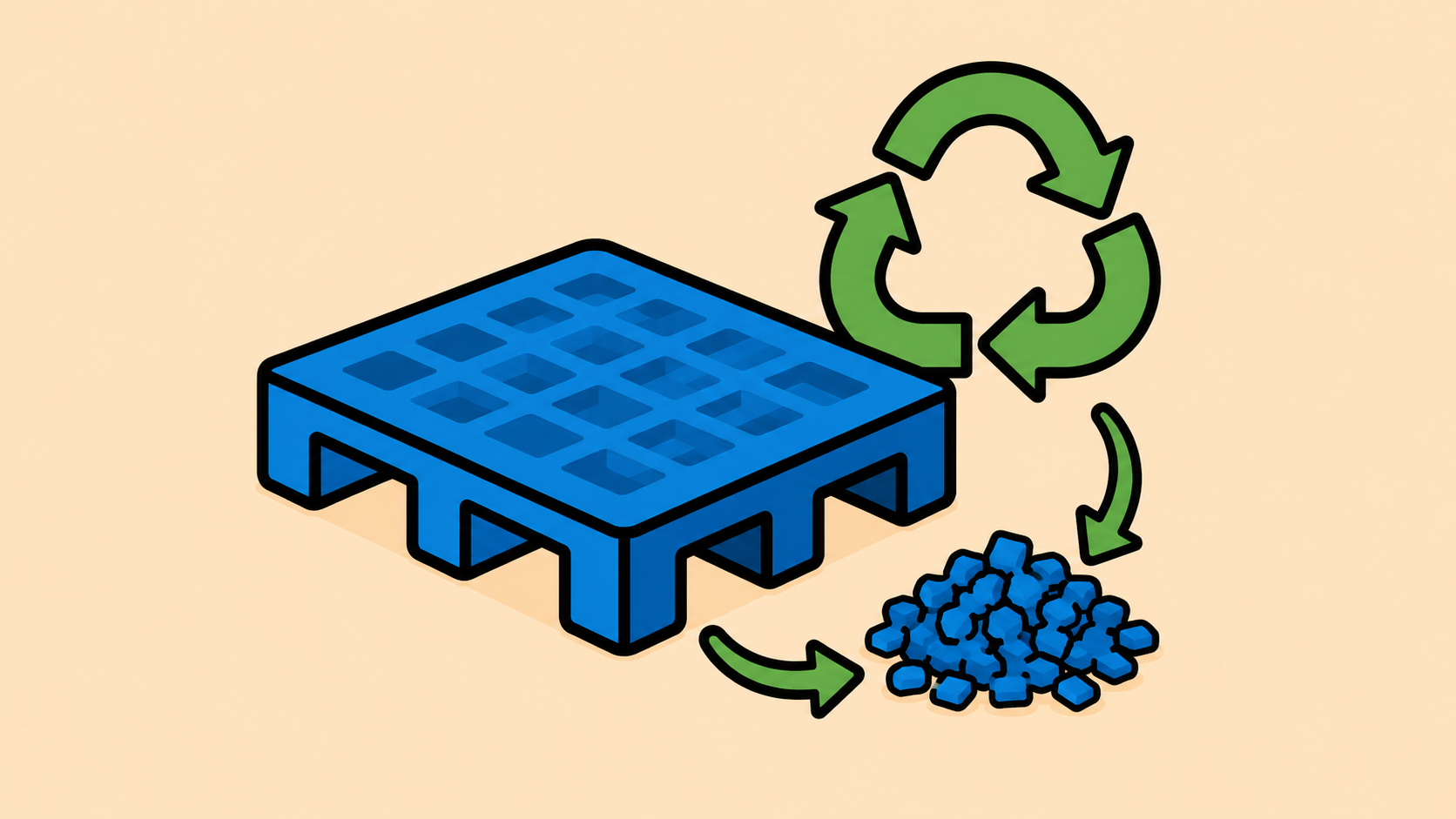
Plastic pallets are recyclable, but most never reach a recycler. See what actually happens at end of life and how to recycle yours.
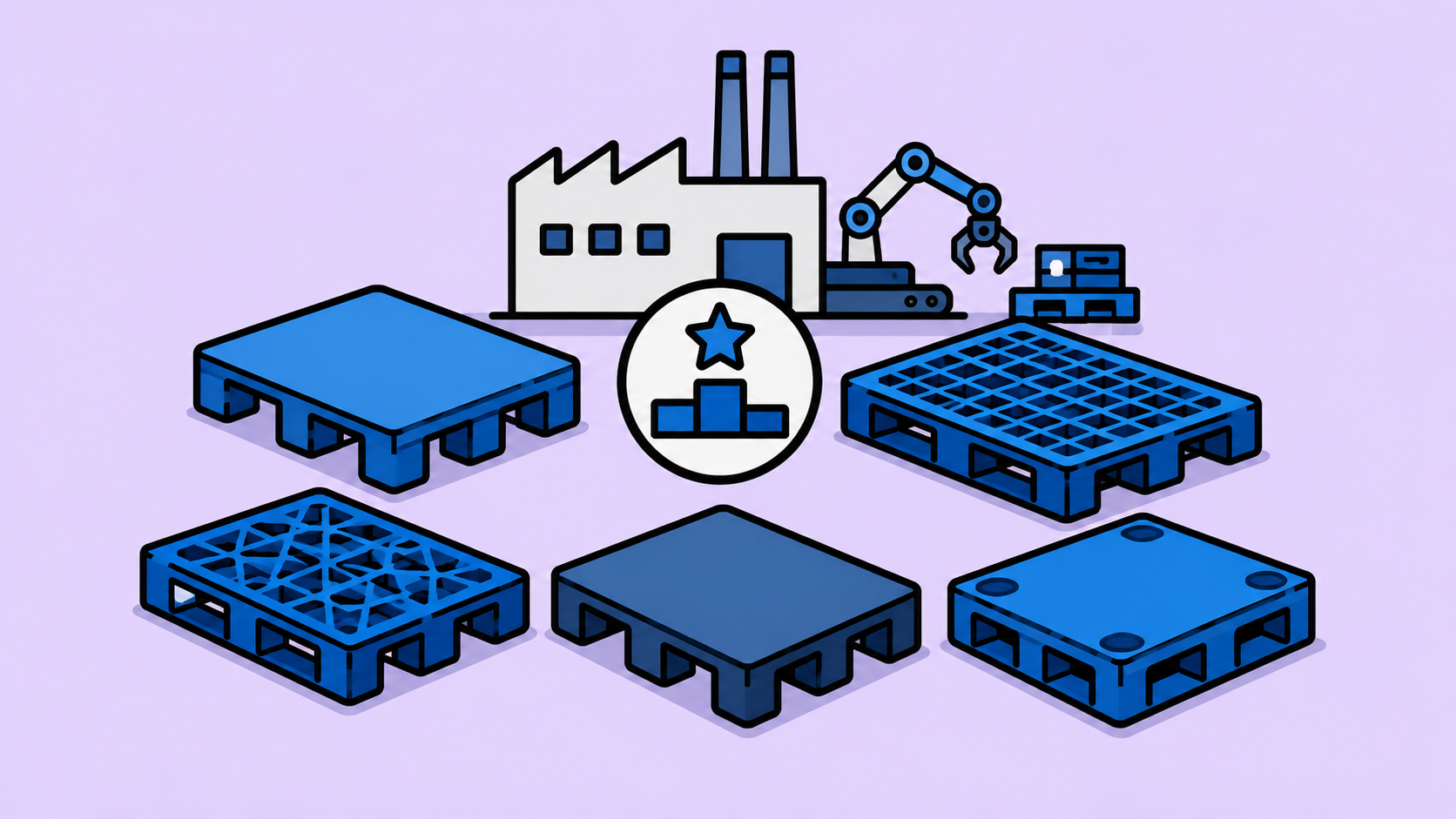
A look at the leading plastic pallet manufacturers, from injection-molded specialists to pooling providers, and what sets each one apart.
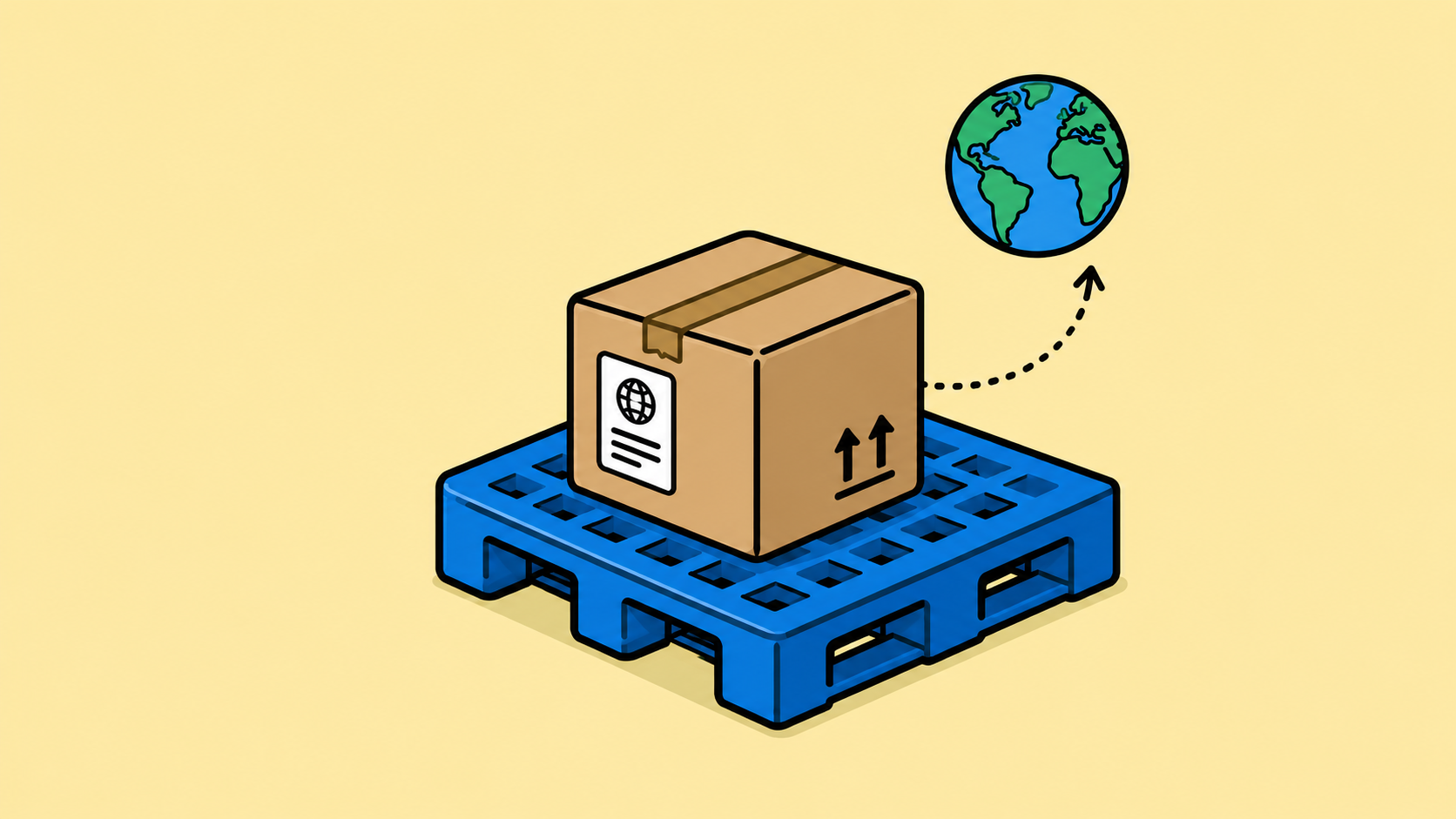
Export plastic pallets explained: why they're ISPM-15 exempt, how they're built lighter, and the sizes and specs used in international shipping.
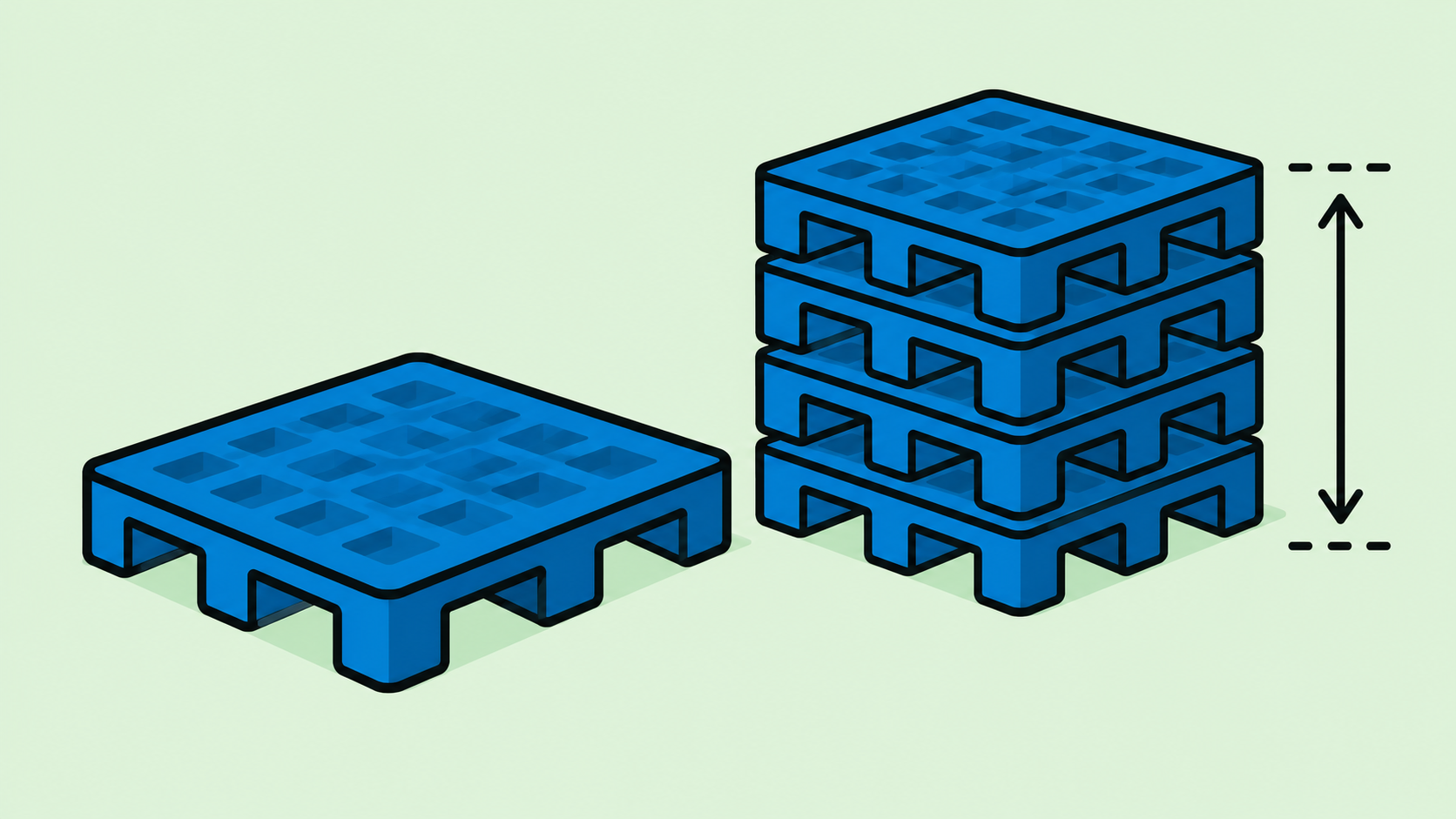
Stackable plastic pallets interlock when stacked, unlike nestable pallets. See how they differ from rackable pallets, plus stacking height and load limits.
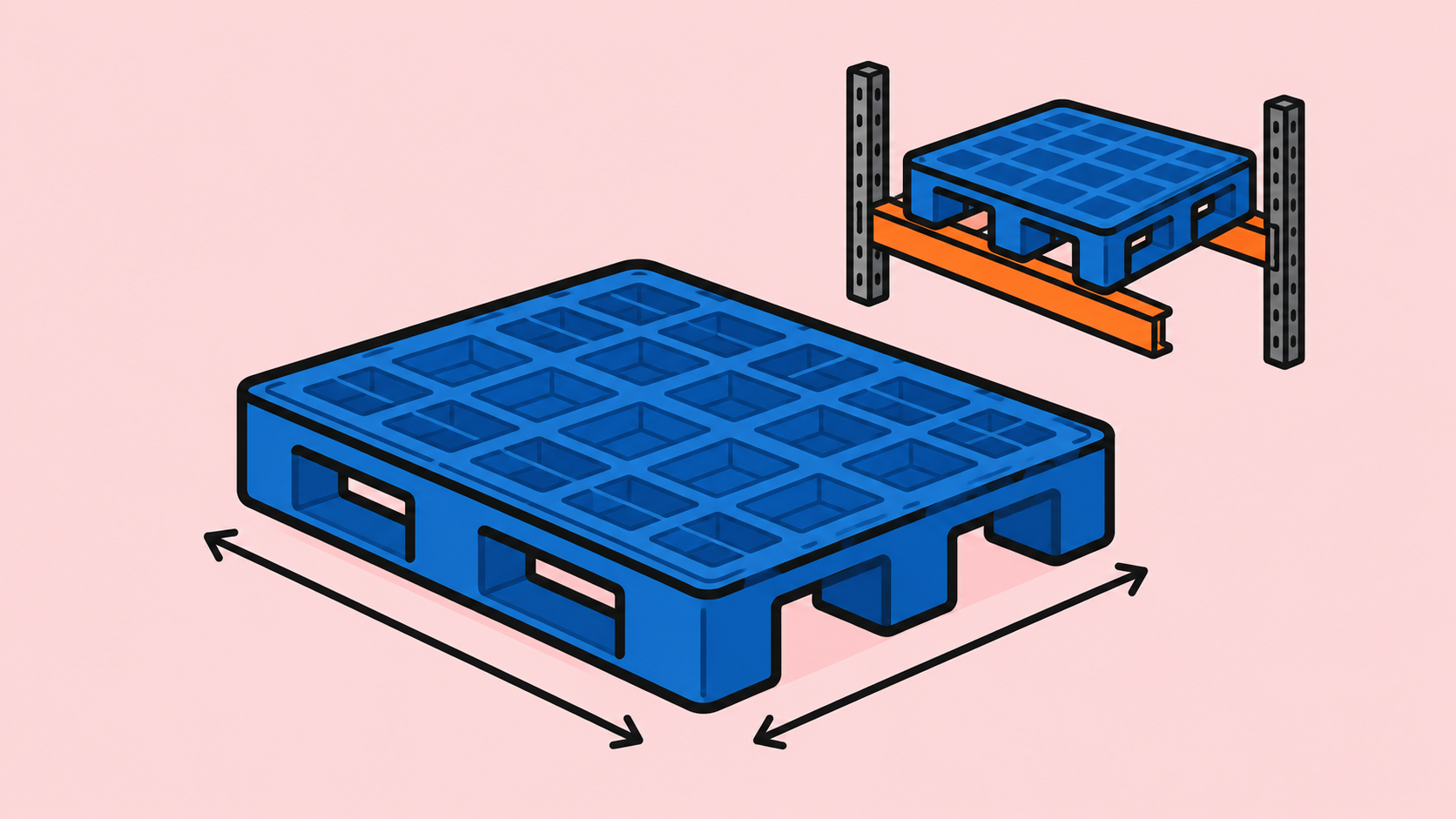
What makes a plastic pallet rackable? Learn how unsupported racking, rack load ratings, deck styles, and reinforcement decide if a pallet is safe in your racks.
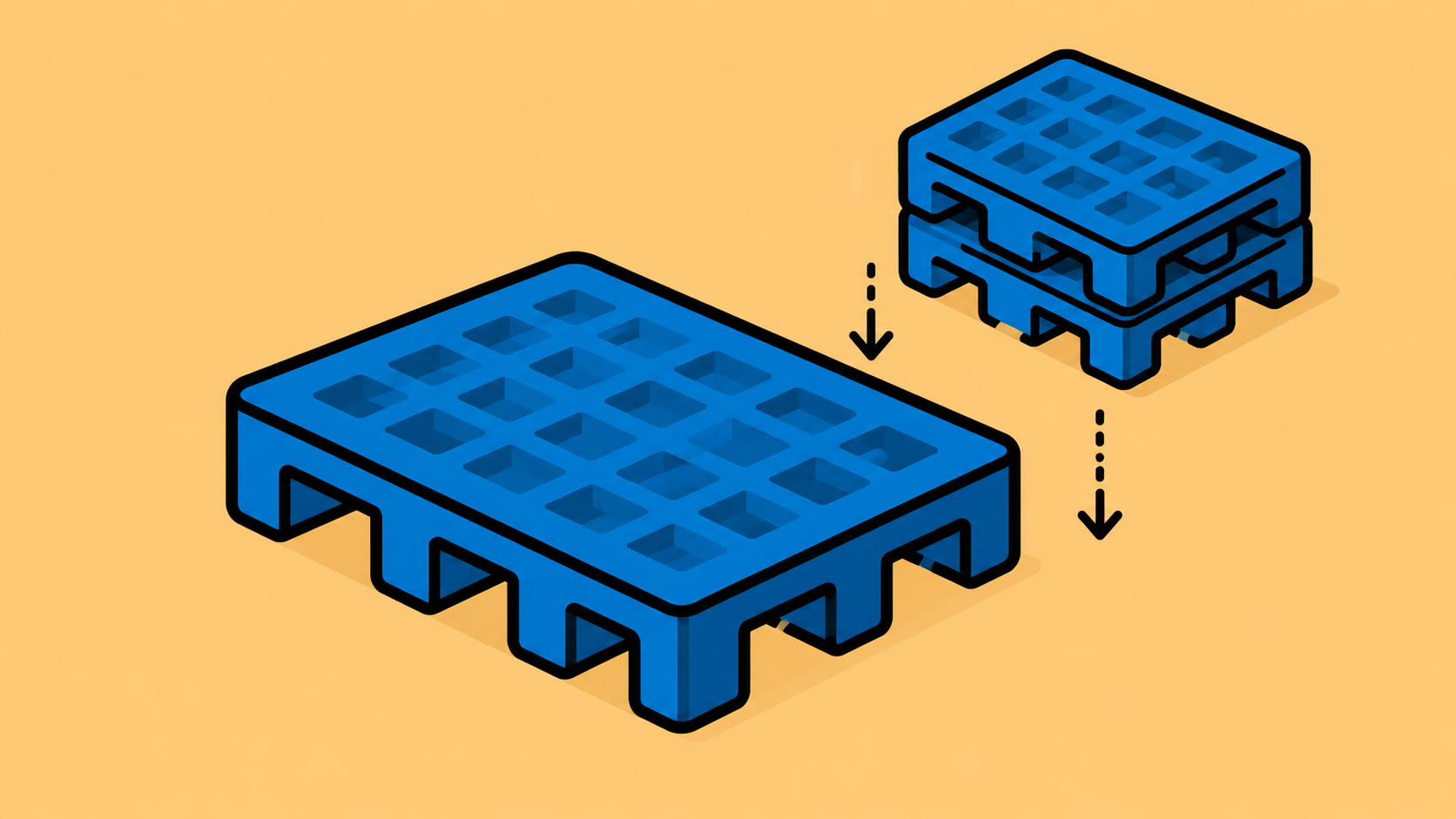
What makes a nestable pallet nest? How much space does it actually save, and when does the trade-off in load capacity matter? Everything you need to know in one place.

Plastic pallets explained: what they are, what they're made of, how they're built, and why they're used. The foundation for everything else on the topic.
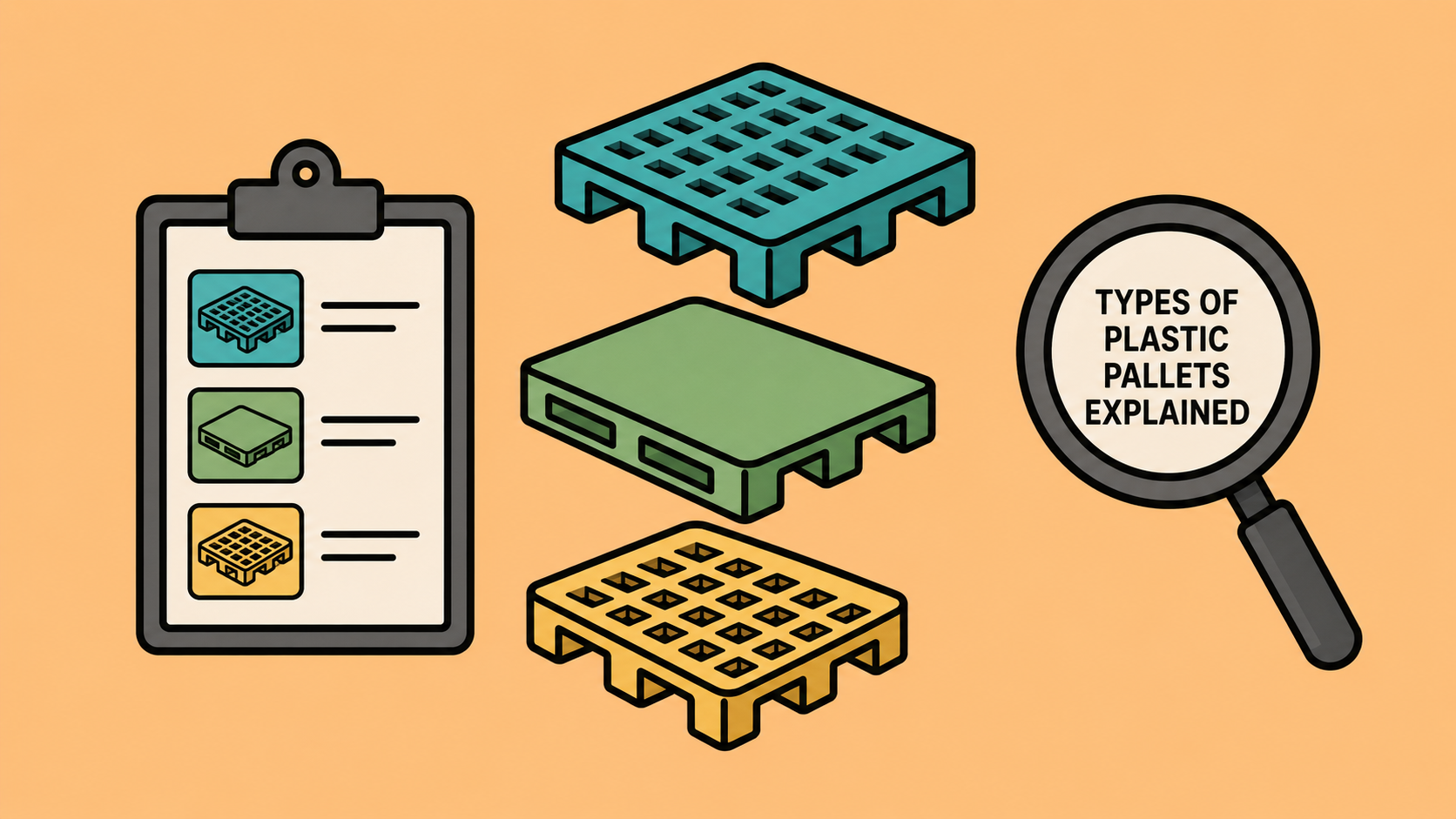
Learn the main types of plastic pallets - rackable, nestable, stackable, export, and more - and how to pick the right one for your operation.
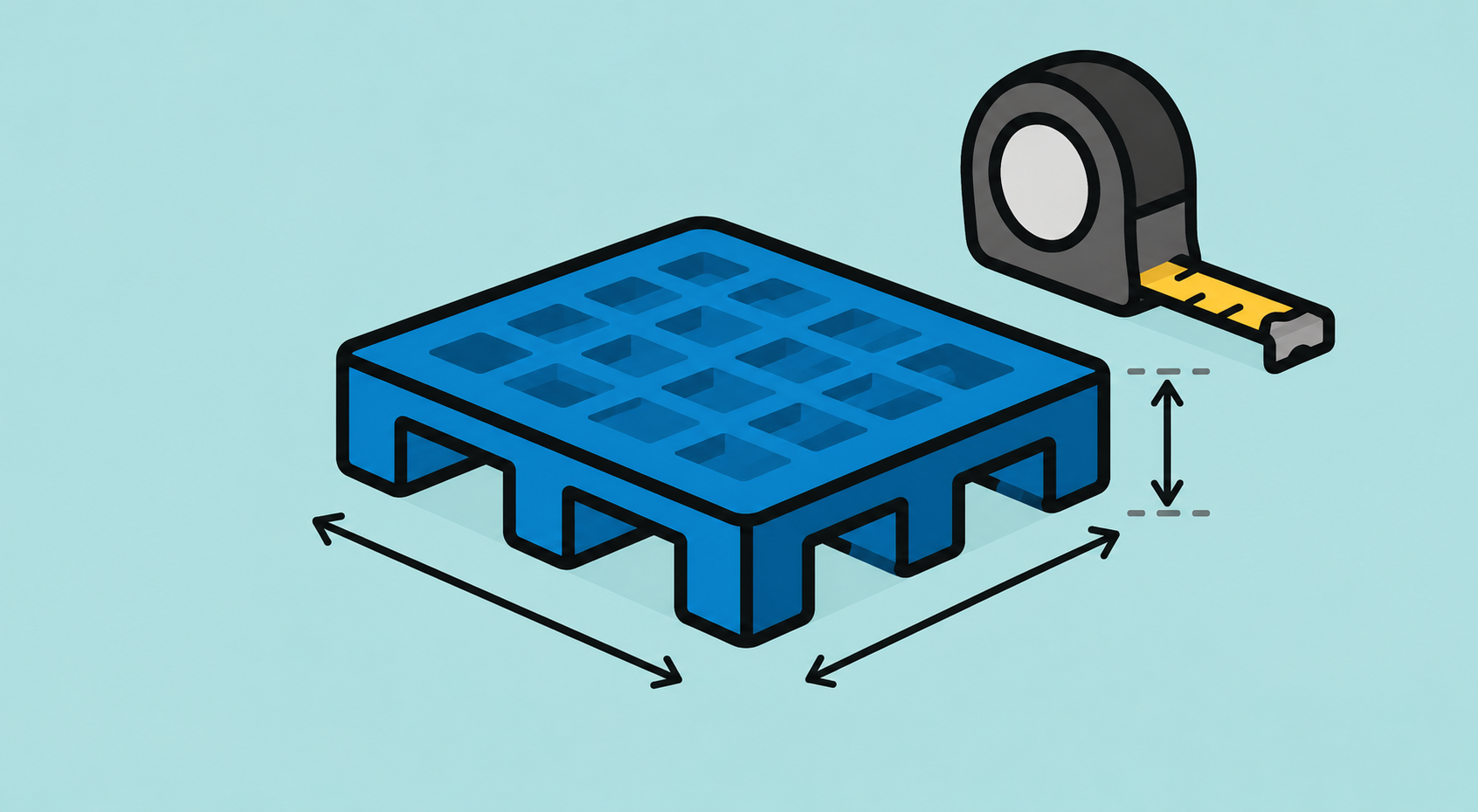
Plastic pallets don't come in one standard size. This guide covers every common dimension, from 48x40 to 48x48 and beyond, plus weight capacities and how to pick the right fit for your racks, trucks, and industry.
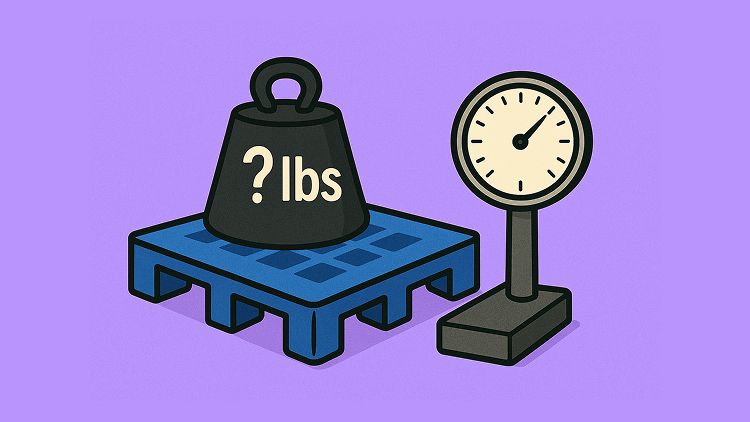
These are common capacity ranges for 48"×40" plastic pallets in real operations. Dynamic (while lifted/moving): ~2,000–5,000 lb Static (stacked on floor): ~15,000–30,000+ lb Rack (unsupported beam/rack): ~1,000–3,000 lb per pallet, model-specific

Quick answer: Plastic pallets are better when you need hygiene, dimensional consistency, and automation readiness—or to avoid ISPM-15 for export. Wood pallets are better for lowest upfront cost, easy field repair, and broad availability. The best choice depends on your loads, environment, and total cost per turn.

Short answer: it depends on condition (new vs. used), style (nestable/stackable/rackable), dimensions, design, and freight. Below are realistic B2B ranges and the levers that move price up or down so you can budget and estimate resale value.

New vs. used, load ratings, deck style, and food-grade needs — everything to check before you buy plastic pallets, from a team with 8,000+ orders of experience.

Plastic pallets are widely used for shipping, storage, and product handling. Their hygiene, strength, and compatibility with automation make them a practical alternative to wood. But who actually buys plastic pallets? The answer depends on the industry and the application.
