


48 x 40 Plastic Pallets
Shop All 48" x 40" Pallets
Key information for 48 x 40 plastic pallet buyers
- Load capacity: 2,500-5,000 lbs dynamic; up to 30,000 lbs static depending on style.
- Price: Used $5.50-$20 each; new $25-$80 each depending on style.
- Common styles: Rackable, stackable, and nestable - all in 48 x 40 footprint.
- Per pallet: 60-100 nestable; 25-50 stackable/rackable per stack.
- Per truck: 500-800 nestable; 300-500 rackable per 53' dry van.
- More: Browse all plastic pallets for sale - sizes, types, and styles available.

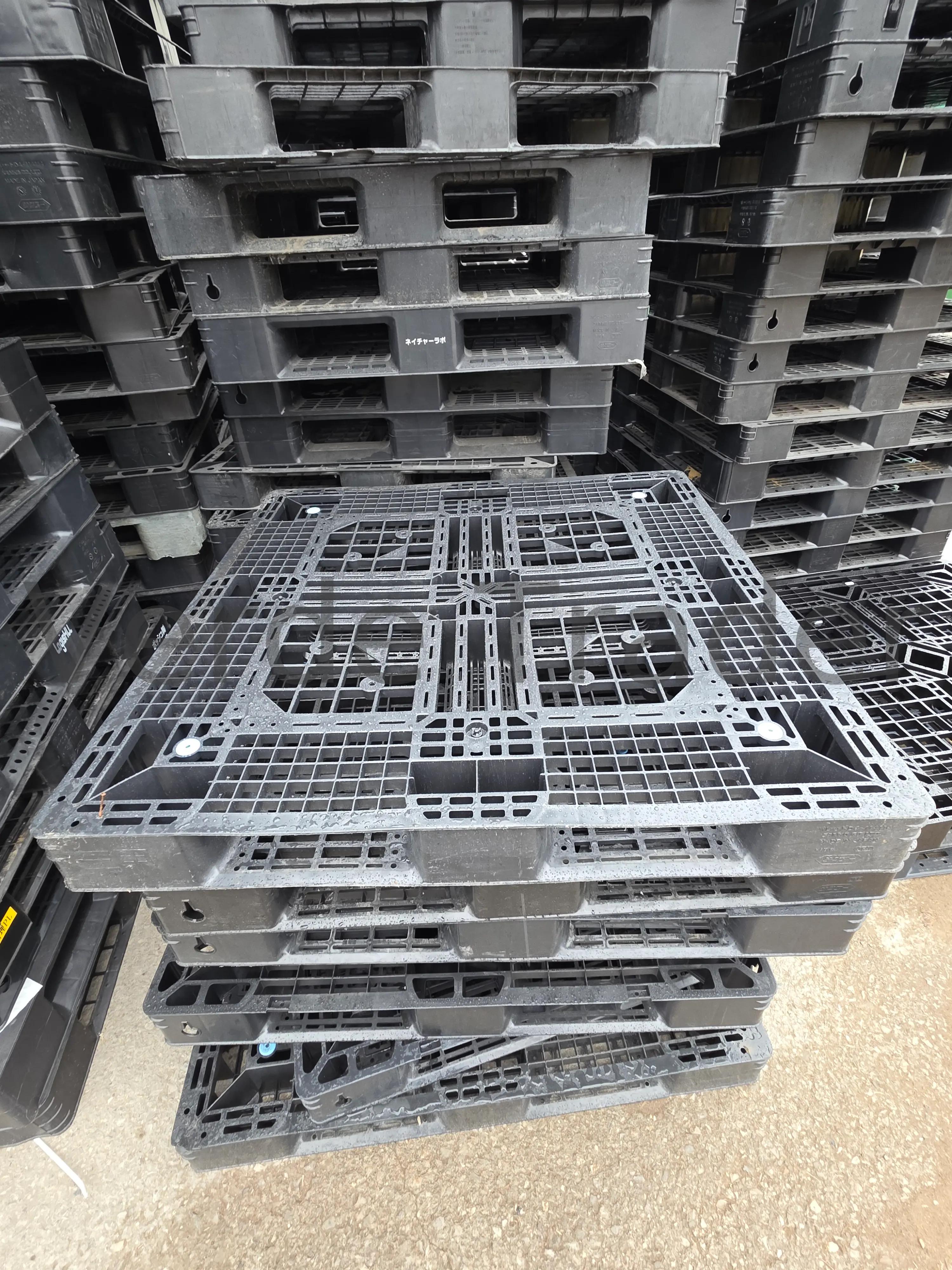
The 48" x 40" plastic pallet is the most common pallet size in North America, widely used for shipping, storage, and automated systems. Its standard footprint makes it a go-to solution across industries.
Key Features:
- Standard size for North American logistics
- Compatible with automated warehouses and racking
- Made from durable, moisture-resistant plastic
- Lightweight and easy to handle
- Ideal for retail, food, pharma, and manufacturing
Is a 48 x 40 plastic pallet right for me?
The 48 x 40 footprint is the North American standard, making it a good fit for any operation that ships, stores, or automates on standard racking and conveyor systems.
Common users of 48 x 40 plastic pallets include:
- Food and beverage manufacturers - need FDA-compliant, washable pallets that won't harbor bacteria or absorb moisture on plant floors.
- Pharmaceutical companies - require clean, consistent pallets that meet hygiene standards and work with automated dispensing lines.
- Grocery and retail distributors - move high volumes through standard rack systems where the 48 x 40 footprint is the expected size.
- Automotive parts suppliers - use rackable styles for heavy component loads on selective racking where deflection matters.
- Cold storage and freezer operations - plastic holds up in wet and frozen environments where wood would absorb moisture and degrade.
- E-commerce and 3PL warehouses - run automated conveyor and sortation systems designed around the 48 x 40 standard.
- Chemical and industrial manufacturers - need ISPM-15 exempt pallets for export shipments that can't use untreated wood.
Source: ISO 8611-1:2021 flat pallet test methods; manufacturer specs from iGPS, ORBIS, and Vestil.
Size and capacity
48 x 40 plastic pallets come in three main styles - rackable, stackable, and nestable - each with different load ratings suited to different handling environments.
Common styles
- Rackable: Reinforced runners span the full 48" length, allowing the pallet to sit on selective rack beams without sagging. Best for heavy loads in warehouse racking systems.
- Stackable: Designed with interlocking corners or legs so loaded pallets can stack on top of each other safely. Common in storage and distribution where vertical space matters.
- Nestable: Legs angle inward so empty pallets nest inside each other, reducing return freight volume significantly. The most cost-effective option when you ship pallets one way.
Not sure which style fits your operation? Read how much weight plastic pallets can hold for a full breakdown by style.
Additional options
Beyond style, 48 x 40 plastic pallets vary in deck configuration, entry type, and material. These choices affect how the pallet moves through your facility and what loads it can handle.
Features to consider
- Open deck vs. closed deck. Open deck pallets have gaps between deck boards, reducing weight and material cost. Closed deck pallets have a solid top surface, which is required for small or loose items and preferred in food and pharma environments where debris can't fall through.
- 4-way vs. 2-way entry. Most 48 x 40 plastic pallets are 4-way, meaning a pallet jack or forklift can enter from any side. 2-way entry is less common and limits handling flexibility.
- HDPE vs. polypropylene. Most used pallets in this size are injection-molded HDPE, which is dense, impact-resistant, and recyclable. Polypropylene pallets are lighter but can become brittle in cold environments.
- Virgin vs. recycled plastic. New pallets are typically made from virgin resin for consistent strength and color. Used pallets may be either, and the difference rarely matters for general warehousing and shipping.
Used 48 x 40 plastic pallets on Verde Trader range from $5.50 to $20 each depending on style, deck type, and condition.
Source: Verde Trader sold-order data, mid-2026.
More about plastic pallet styles
The 48 x 40 footprint is available in every major plastic pallet style. The style you need depends on how the pallet moves through your facility and whether it comes back to you.
Rackable
Solid runners span the full 48" length so the pallet rests on rack beams without deflecting under load. Required for selective racking systems.
Best for
Warehouse racking, heavy loads, pallet jacks
Used price range
$10 - $20 each
Stackable
Corner posts or legs lock loaded pallets together so they stack safely without shifting. Common in storage and distribution environments where vertical space matters.
Best for
Block stacking, floor storage, distribution
Used price range
$5.50 - $13 each
Nestable
Angled legs let empty pallets nest inside each other, cutting return freight volume by 60-75% compared to stackable or rackable styles. The most common choice for one-way shipments.
Best for
One-way shipping, high-volume outbound, automation
Used price range
$5.50 - $12 each
Browse by style: rackable plastic pallets, stackable plastic pallets, nestable plastic pallets.
Frequently asked questions about 48x40 plastic pallets
What is the difference between a rackable and a nestable 48 x 40 plastic pallet?
Rackable pallets have solid runners that span the full length of the pallet so they can sit on warehouse rack beams without sagging under load. Nestable pallets have angled legs that let empty pallets nest inside each other to save space on return trips. Rackable pallets cost more and are the right choice when the pallet will sit on selective racking. Nestable pallets are the better option when you ship one way and need to return empties cheaply.
How much does a used 48 x 40 plastic pallet weigh?
Most used 48 x 40 plastic pallets weigh between 35 and 50 lbs depending on style and construction. Nestable pallets tend to be lighter, usually in the 35 to 42 lb range. Rackable and stackable pallets with thicker runners typically fall between 42 and 50 lbs. Pallet weight matters when calculating freight cost per load and when operating automated conveyor systems with weight limits.
Are 48 x 40 plastic pallets compatible with standard pallet racking?
Rackable 48 x 40 plastic pallets are compatible with standard selective pallet racking when rated for the load. The 48 x 40 footprint is the North American standard and fits the beam spacing on most rack systems. Nestable and stackable styles are not designed for racking and should only be used for floor storage or block stacking. Always confirm the rack load capacity of the specific pallet with the seller before placing heavy loads on racking.
Can 48 x 40 plastic pallets be used in food and pharmaceutical facilities?
Yes, provided the pallet is made from FDA-compliant resin such as HDPE or polypropylene and does not have cracks or damage that could harbor contaminants. Closed deck styles are preferred in food and pharma because the solid surface prevents debris from falling through onto product below. Plastic pallets do not absorb moisture, harbor mold, or require fumigation the way wood pallets do, which is why they are widely used in regulated industries. When buying used, inspect for cracks, discoloration, or repair welds that could compromise hygiene.
What is the difference between a 48 x 40 and a 48 x 48 plastic pallet?
The 48 x 40 is the standard GMA footprint used across most North American supply chains and fits the majority of rack systems, truck floors, and conveyor lines without modification. The 48 x 48 is a square pallet more common in beverage, dairy, and chemical applications where loads are heavy and centered. If your facility runs standard racking and you ship mixed freight, the 48 x 40 is almost always the right choice. If you move heavy drums, kegs, or totes that benefit from a square base, compare it with the 48 x 48. Browse our 48 x 48 plastic pallets page to compare current listings and pricing.
Sources
Specs and load ratings on this page come from published industry standards and manufacturer documentation. Pricing comes from Verde Trader transaction records.
Industry standards (what is defined)
- ISO 8611-1:2021 - Pallets for materials handling: flat pallets, Part 1: test methods. The governing standard for pallet load testing, including dynamic, static, and rack load capacity test methods. The load figures cited on this page are derived from this standard.
- iWarehousing - Pallet racking regulations and guidelines. Background on racking compatibility requirements and load ratings relevant to rackable pallet selection.
Manufacturer specifications
- iGPS Logistics - Pallet spec sheet. Load capacity, weight, and dimensional specs for 48 x 40 plastic pallets. Used to cross-reference dynamic and static load figures cited on this page.
- ORBIS Corporation - Plastic pallets product catalog. Manufacturer specs for rackable, stackable, and nestable 48 x 40 styles including deck configurations and weight ratings.
- Vestil Manufacturing - Plastic pallet specs. Dimensional and load data used to validate the typical height and weight ranges cited on this page.
Terminology and background
- Repackify - Plastic pallets buying guide. Overview of pallet styles, entry types, and deck configurations. Background reference for the options and features section on this page.
- iGPS - Plastic pallets: your definitive guide. Industry background on plastic pallet use cases across food, pharma, retail, and manufacturing sectors.
- Go Plastic Pallets - Plastic pallet sizes: what's right for you. Size comparison reference used to contextualize the 48 x 40 footprint against other common North American pallet sizes.
Our sales data (what people actually pay)
- Verde Trader sold-order data. Used price ranges on this page reflect actual Verde Trader transactions through mid-2026. Figures cover rackable, stackable, and nestable 48 x 40 plastic pallets sold across all U.S. regions. Archived and dead-deal orders are excluded.
